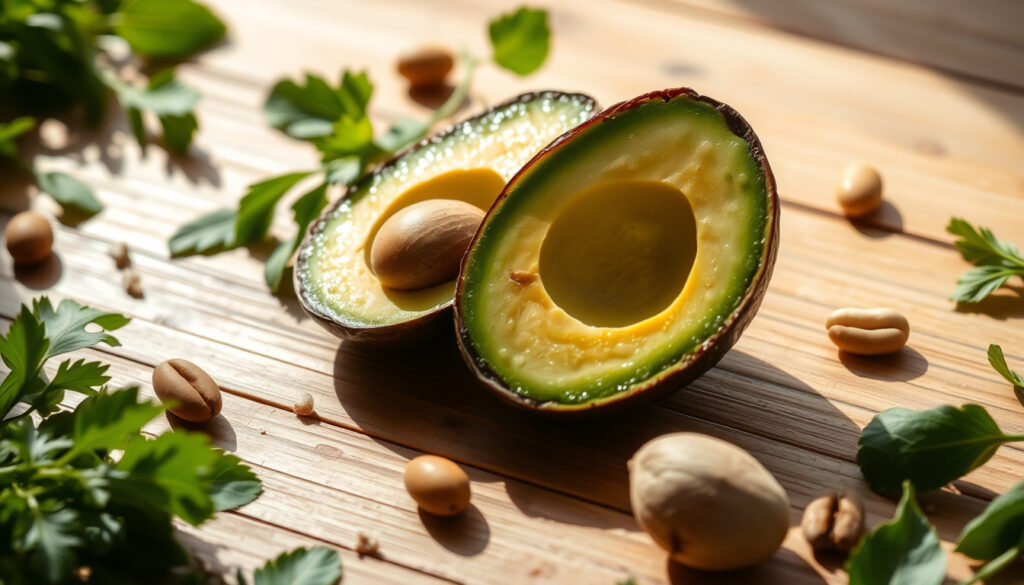
Is Avocado Good for You – Benefits, Nutrition, Risks
Avocados have become a staple in kitchens worldwide, celebrated for their creamy texture and versatility. But beyond their culinary appeal lies a fruit packed with nutrients that research has linked to significant health benefits. From supporting heart function to aiding digestion, the evidence suggests that incorporating avocados into a balanced diet may offer meaningful advantages for most people.
This guide examines what science says about avocado nutrition, the specific health benefits associated with regular consumption, potential risks, and practical recommendations for how much to eat. The goal is to provide a clear, evidence-based answer to whether avocados deserve their reputation as a health-promoting food.
What Are the Health Benefits of Avocados?
Avocados distinguish themselves among fruits through their unique nutrient composition. While most fruits are high in carbohydrates, avocados are rich in healthy fats and fiber, making them particularly valuable for those seeking to improve cardiovascular health, manage weight, or support metabolic function.
High in monounsaturated fats, fiber, and essential vitamins including C, E, K, and B6
Reduces LDL cholesterol, raises HDL cholesterol, and supports healthy blood pressure
Aids blood sugar regulation and reduces visceral fat accumulation
Promotes healthy gut bacteria growth and increases microbial diversity
Heart Health and Cholesterol
The relationship between avocado consumption and cardiovascular health represents one of the most extensively studied areas of avocado nutrition. A study following 111,000 people over 30 years found that eating one avocado per week was associated with a 16% lower risk of cardiovascular disease and a 21% lower risk of coronary heart disease.
Research published in the Journal of the American Heart Association in 2022 reinforced these findings, showing that consuming two or more avocado servings per week reduced cardiovascular disease risk by 16-22% compared to diets replacing avocado with butter, margarine, or processed meats. The mechanism behind these benefits involves the fruit’s monounsaturated fats, particularly oleic acid, which helps reduce harmful LDL cholesterol while raising beneficial HDL cholesterol.
Potassium and magnesium content further support cardiovascular function by helping regulate blood pressure. A single avocado contains more potassium than a banana ounce-for-ounce, making it particularly valuable for maintaining healthy blood pressure levels.
Weight Loss and Blood Sugar Control
For those wondering whether avocados fit into a weight management plan, the evidence points to positive outcomes. A study involving women found that daily avocado consumption over 12 weeks reduced visceral belly fat. The high fiber and fat content promotes satiety, helping people feel fuller longer and reducing overall calorie intake.
Blood sugar regulation represents another documented benefit. A study of 6,000 adults tracked over six years found that recent avocado consumers had a 20% lower risk of developing type 2 diabetes. The low sugar content and high fiber slow carbohydrate absorption, preventing the blood sugar spikes that can contribute to insulin resistance.
Other Documented Benefits
Beyond cardiovascular and metabolic health, avocados offer several additional advantages. The antioxidants lutein and zeaxanthin protect eye health by reducing the risk of age-related macular degeneration. Vitamin E supports cognitive function and may help prevent memory decline associated with Alzheimer’s disease.
The anti-inflammatory properties of avocado compounds, including oleic acid, carotenoids, and phytosterols, contribute to reduced inflammation throughout the body. Research also indicates benefits for skin health, bone density, and digestive regularity. The fiber content of a whole avocado—approximately 14 grams—promotes the growth of beneficial gut bacteria and increases microbial diversity, according to a study of 163 overweight adults who consumed 140-175g daily for 12 weeks.
Key Insights
- Monounsaturated fats in avocados reduce LDL cholesterol while raising HDL cholesterol
- One avocado per week correlated with 16% lower cardiovascular disease risk in 30-year study
- Avocados contain more potassium than bananas ounce-for-ounce
- Daily consumption reduced visceral fat in women over 12 weeks
- 14 grams of fiber per whole avocado supports digestive health
- Antioxidants lutein and zeaxanthin protect against age-related macular degeneration
- Regular consumption linked to 20% lower type 2 diabetes risk in studied population
The strongest evidence supports avocado benefits for heart health, with multiple large-scale cohort studies and peer-reviewed publications. Weight management and blood sugar benefits show promise but involve more variables and smaller study populations.
| Nutrient | Amount per 100g | % Daily Value |
|---|---|---|
| Calories | 160 | 8% |
| Total Fat | 15g | 19% |
| Dietary Fiber | 6.7g | 24% |
| Potassium | 485mg | 10% |
| Vitamin E | 2.1mg | 14% |
| Vitamin K | 21mcg | 18% |
| Vitamin C | 10mg | 11% |
| Folate | 81mcg | 20% |
| Magnesium | 29mg | 7% |
| Copper | 0.19mg | 21% |
Avocado Nutrition Facts
Understanding what makes up an avocado helps explain its health effects. Avocados are technically berries, though their nutritional profile more closely resembles other healthy fats like olive oil and nuts. The fruit consists primarily of water and fat, with carbohydrates and protein making up smaller portions.
Macronutrient Composition
A medium avocado contains approximately 250-300 calories, with about 20-25 grams of fat, 13-15 grams of fiber, and minimal sugar—less than 1 gram per serving. This macronutrient distribution makes avocados unusual among fruits and explains their satiating properties.
The fat composition deserves particular attention. Approximately 70% of the fat in an avocado is monounsaturated oleic acid, the same heart-healthy fat found in olive oil. This type of fat has been linked to reduced inflammation and improved cholesterol profiles. The remaining fat consists of polyunsaturated and saturated fats in smaller amounts.
Vitamins and Minerals
Avocados provide a spectrum of essential nutrients. A half medium avocado counts as one of the recommended five daily portions of fruits and vegetables, contributing significant amounts of vitamins E and B, potassium, manganese, and folate. One entire avocado provides 41% of the daily value for folate, which is essential for red blood cell formation, and 14% of the daily value for magnesium, which plays roles in blood sugar regulation and blood pressure control.
The fat content also enables better absorption of fat-soluble vitamins (A, D, E, and K) from other foods eaten alongside avocado, making it an excellent addition to salads and vegetable dishes.
Phytonutrients and Antioxidants
Beyond basic nutrition, avocados contain various protective plant compounds. Carotenoids like lutein and zeaxanthin contribute to the fruit’s characteristic color and provide antioxidant protection for eyes and cells. Phytosterols support immune function and may help reduce cholesterol absorption from other foods.
Half a medium avocado (approximately 80-100g) represents a standard serving size and counts toward one of your five daily fruit and vegetable portions. This portion provides substantial nutrition without excessive calorie intake.
What Are the Downsides of Eating Avocados?
While avocados offer numerous health benefits, they are not without potential drawbacks. Being aware of these considerations helps ensure that avocado consumption fits appropriately within an individual’s overall dietary approach.
Digestive Considerations
The high fiber and fat content that makes avocados filling can also cause digestive discomfort in some people. Some individuals experience bloating or gas when first increasing their avocado intake or consuming large amounts. This effect typically diminishes as the digestive system adjusts.
FODMAP Sensitivity
Avocados contain polyols, particularly sorbitol, which can trigger symptoms in people with irritable bowel syndrome (IBS) or those following a low-FODMAP diet. The high fiber content, while generally beneficial, may worsen symptoms for individuals with sensitive digestive systems or existing gastrointestinal conditions.
Calorie Density
At approximately 160 calories per 100 grams, avocados are calorie-dense. Eating several avocados daily can contribute significant calories that add up quickly. For those monitoring their weight or calorie intake, portion control becomes important. Moderation is key to incorporating avocado without excess calorie consumption.
Drug Interactions and Allergies
Avocados contain vitamin K, which plays a role in blood clotting. Individuals taking blood-thinning medications such as warfarin should maintain consistent vitamin K intake and consult their healthcare provider about avocado consumption. Additionally, rare cross-reactivity between avocado and latex, known as latex-fruit syndrome, may cause allergic reactions in susceptible individuals.
Those on blood-thinning medications should discuss dietary changes including avocado consumption with their healthcare provider, as vitamin K levels can affect medication efficacy. People with known latex allergies should exercise caution when trying avocado for the first time.
How Much Avocado Should You Eat Per Day?
No strict universal limit exists for avocado consumption, but dietary guidance suggests that moderation leads to the best outcomes. Benefits have been observed with consumption ranging from one avocado per week to two or more servings per week.
Practical Recommendations
For most people, eating half to one whole avocado daily represents a reasonable target. This amount provides significant nutritional benefits while keeping calorie intake manageable. A standard serving is approximately half a medium avocado, or about 80-100 grams. Those looking to support their overall health might consider making avocado a regular part of their balanced diet.
Individual Factors
Optimal intake varies based on individual factors including age, activity level, overall diet quality, and specific health goals. Athletes and highly active individuals may benefit from higher fat intake to meet energy needs, while those focused on weight management might prefer smaller portions. People with digestive sensitivities or those on restricted diets should adjust accordingly.
When evaluating heart health considerations, the evidence supports regular avocado consumption as part of a heart-healthy eating pattern. Replacing less beneficial fats like butter or processed meats with avocado appears to offer cardiovascular advantages.
The History of Avocado Consumption
The avocado has a long history as a cultivated food. Archaeological evidence suggests that avocados were domesticated in Mexico as early as 8000 BCE, making them one of the oldest cultivated foods in the Americas. Ancient civilizations including the Aztecs valued the fruit both as food and medicine, referring to it as “ahuacatl.”
Commercial avocado cultivation expanded throughout Latin America during the colonial period. The Hass avocado variety, which dominates global markets today, originated from a single tree planted by Rudolph Hass in California in the 1920s. Modern nutrition research examining avocado health benefits accelerated during the 1990s and has intensified significantly in recent decades, with large-scale epidemiological studies and clinical trials now providing robust evidence for the fruit’s health effects.
- 8000 BCE: First domestication of avocados in Mexico
- 1500s-1800s: Spread throughout Latin American colonies
- 1920s: Rudolph Hass patents the Hass avocado variety
- 1980s-1990s: Initial nutrition research begins focusing on monounsaturated fats
- 2010s-2020s: Large-scale cohort studies establish cardiovascular benefits
- 2022: American Heart Association publishes peer-reviewed study on CVD risk reduction
What Science Has Established Versus What Remains Unclear
When evaluating avocado health claims, distinguishing between well-established findings and areas of ongoing research helps set realistic expectations.
| Well-Established Benefits | Areas Requiring More Research |
|---|---|
| Cardiovascular risk reduction through cholesterol modification | Precise mechanisms behind gut microbiome improvements |
| Blood pressure regulation via potassium content | Optimal intake amounts for specific health conditions |
| Enhanced absorption of fat-soluble vitamins | Effects of avocado consumption on long-term weight maintenance |
| Eye health protection from lutein and zeaxanthin | Potential benefits for specific population groups |
| Satiety and reduced calorie intake from fiber and fat | Interaction effects with other dietary components |
The cardiovascular benefits of avocado consumption have the strongest supporting evidence, including multiple large cohort studies spanning decades and peer-reviewed publications in major medical journals. The evidence for digestive and metabolic benefits, while promising, comes from smaller studies and warrants additional research to confirm mechanisms and optimal applications.
Understanding Avocado in a Balanced Diet
Avocados fit naturally into various dietary patterns, from Mediterranean-style eating to more plant-forward approaches. Their combination of healthy fats, fiber, and micronutrients makes them a versatile food that can enhance both nutrition and meal satisfaction.
What sets avocados apart from other fruits is their ability to serve as a primary fat source while providing substantial fiber and essential nutrients. This unique position allows them to replace less beneficial fats in the diet while contributing positive nutritional value, rather than simply adding calories as some high-fat foods do.
The American Heart Association recognizes avocado as part of a heart-healthy eating pattern. When used to replace sources of saturated fat or processed foods, avocado can contribute meaningfully to dietary quality without requiring significant dietary restructuring.
Expert Perspectives and Research Sources
The scientific consensus on avocado nutrition draws from multiple authoritative sources. Institutional research from Harvard T.H. Chan School of Public Health and the Mayo Clinic provides accessible guidance based on peer-reviewed evidence. The National Institutes of Health maintains published research on avocado compounds and their biological effects.
“The monounsaturated fats in avocados are the same type found in olive oil and nuts—fats that have been consistently associated with reduced heart disease risk when consumed as part of a balanced diet.”
— Harvard T.H. Chan School of Public Health Nutrition Source
Healthcare organizations including the British Heart Foundation and the American Heart Association have incorporated avocado recommendations into their dietary guidance, reflecting the growing body of evidence supporting the fruit’s health benefits.
The Bottom Line
For most people, avocados represent a genuinely beneficial addition to a balanced diet. The evidence supporting their cardiovascular benefits is robust, with large-scale studies demonstrating meaningful reductions in heart disease risk among regular consumers. The nutrient profile—rich in healthy fats, fiber, potassium, and protective antioxidants—aligns with established dietary recommendations for disease prevention and overall health.
Potential drawbacks including calorie density, digestive sensitivity, and drug interactions exist but affect relatively few people. For the majority, the benefits of regular avocado consumption outweigh the risks when practiced in moderation. Incorporating half to one avocado daily, or several servings per week, offers a practical approach that aligns with the research evidence.
Is avocado good for weight loss?
Avocados can support weight management through their high fiber and fat content, which promotes feelings of fullness and reduces overall calorie intake. Studies show daily avocado consumption reduced visceral fat in women over 12 weeks. However, their calorie density means portion control matters.
Do avocados lower cholesterol?
Yes, research demonstrates that avocados lower LDL (harmful) cholesterol while raising HDL (beneficial) cholesterol. The monounsaturated fats and fiber work together to improve cholesterol profiles. Studies found a 16% reduction in cardiovascular disease risk among weekly avocado consumers.
Can you eat avocado every day?
Yes, eating avocado daily is generally safe and beneficial for most people. A half to one whole avocado per day aligns with research showing benefits. People with IBS, those on blood thinners, or those watching calories should adjust their intake accordingly.
Are avocados good for heart health?
Avocados are particularly beneficial for heart health. Studies show they reduce LDL cholesterol, raise HDL cholesterol, and help regulate blood pressure through potassium content. Research from the Journal of the American Heart Association found two or more weekly servings cut cardiovascular disease risk by 16-22%.
Who should not eat avocados?
Most people can safely eat avocados. Those who should exercise caution include people on blood-thinning medications (due to vitamin K content), individuals with IBS or FODMAP sensitivity, those with latex allergies (possible cross-reactivity), and people who need to strictly limit calories. Consult a healthcare provider if uncertain.
How many calories are in half an avocado?
Half a medium avocado contains approximately 120-150 calories, primarily from healthy monounsaturated fats. This serving also provides about 7 grams of fiber, 15% of daily potassium needs, and significant vitamins E, K, and folate.
Is avocado better than other fruits?
Avocados differ significantly from most fruits due to their high fat and fiber content and low sugar. While all fruits provide valuable nutrients, avocados uniquely combine heart-healthy fats with substantial fiber and potassium, making them more comparable to nuts and healthy oils than to typical fruits.
Do avocados help with digestion?
Yes, avocados support digestive health through approximately 14 grams of fiber per whole fruit. Research involving 163 overweight adults found that consuming 140-175g daily for 12 weeks increased gut bacterial diversity and promoted beneficial gut bacteria growth.
More related posts
 Norman Reedus – Age, Net Worth, Family and Career 2025
 Not Quite Dead Yet – Full Guide to Holly Jackson’s Adult Thriller
 What Is Triple Sec – Complete Guide to This Orange Liqueur
 B&M Opening Times – Full Hours and Holiday Schedule
 Cost of Living Payments 2025 – DWP Confirms None Planned
 Cool Wallpapers for Boys – Best Free Apps and Sites
 Elf on the Shelf Ideas – 90+ Funny, Easy Scenes for 2025
 UK Visa Financial Requirements 2025 – Spouse Visa Threshold Guide
