Things to Do in Devon – 2026 Guide for Every Kind of Traveler
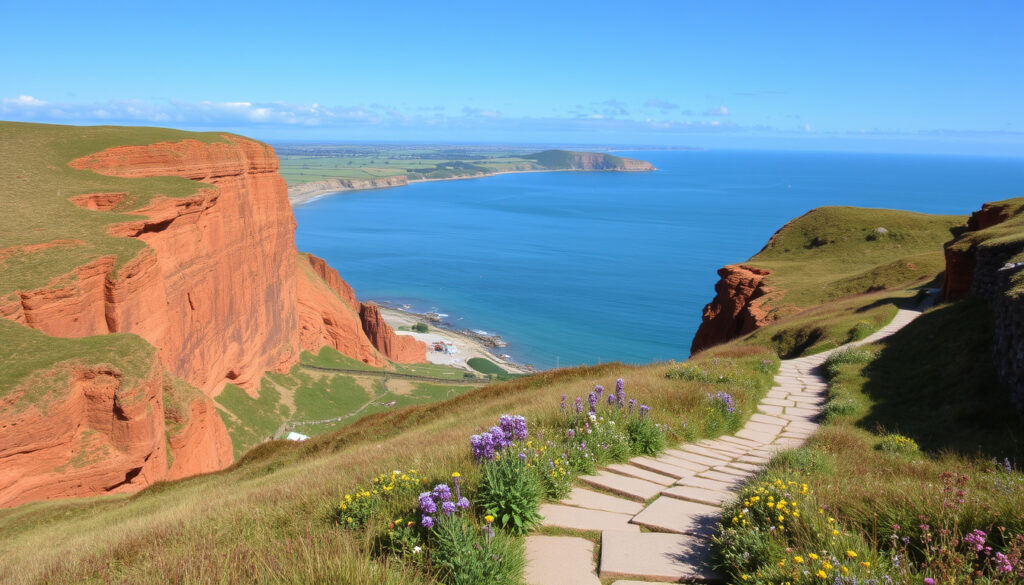
Devon offers a surprising range of landscapes and experiences, from the wild, open moorlands of Dartmoor to the sheltered, sandy coves of its coastline. Unlike its neighbour Cornwall, Devon leans toward family-friendly theme parks, historic farms, and Victorian seaside resorts. This guide breaks down the best things to do in Devon for families, couples, adults, and dog owners, drawing on official 2026 sources and local insights to help plan a trip that matches your travel style.
Whether you are looking for a romantic weekend break, an action-packed adventure with young adults, or a quiet holiday with your dog, Devon has a region and a season for it. The key is knowing where to look and what to expect at different times of the year.
Family Fun: Best Things to Do in Devon with Kids
Devon is home to dozens of attractions designed with children in mind. From interactive animal experiences to prehistoric caves, the county offers a wide variety of activities that keep young minds engaged. Many of these are concentrated around the south coast, making it easy to plan a multi-day itinerary.
Families with Kids
Theme parks, animal attractions, rainy-day indoor centres
Couples & Romance
Cream teas, coastal walks, wine estates, boutique hotels
Adults & Young Adults
Adventure sports, unusual museums, nightlife, hidden gems
Dog Owners
Dog-friendly beaches, walks, accommodation, and pub gardens
- Devon offers something for every type of traveler, but planning by audience prevents disappointment.
- The best time for families is school holidays, but avoid half-term for less crowds.
- Many attractions have seasonal opening hours – always check before visiting.
- Dog-friendly beaches are often restricted in summer – the list changes yearly.
- Combining Devon and Cornwall is popular, but allow at least a week to cover both properly.
| Quick Reference Fact | Details |
|---|---|
| Counties | Devon (ceremonial) includes Plymouth, Torbay |
| Top attractions by visitor numbers | Dartmoor, Paignton Zoo, Kents Cavern |
| Best sandy beaches | Woolacombe, Saunton Sands, Blackpool Sands |
| National Parks | Dartmoor, Exmoor (partly in Somerset) |
| Average stay | 5-7 days for full Devon experience |
Paignton Zoo remains a top choice for families, offering animal encounters and play areas. Kents Cavern provides educational tours through prehistoric caves, while the Donkey Sanctuary offers free entry and animal interactions, making it a budget-friendly stop. For indoor rainy-day options, the Royal Albert Memorial Museum (RAMM) in Exeter is free and features natural history and art exhibits. Quince Honey Farm, with its bee exhibits and tastings, is another interactive option for children.
Indoor attractions like RAMM and Kents Cavern operate year-round with consistent opening hours, but smaller family farms may close or reduce hours during winter months. Checking individual attraction websites before setting out is recommended.
Unusual and Offbeat: Things for Adults in Devon
Adventure Sports and Thrill-Seeking
Devon offers a range of activities that appeal to adults and young adults looking for something beyond the typical seaside holiday. Coasteering along the North Devon coast combines climbing, jumping, and swimming. Prices for coasteering trips range from $62 to $83, depending on the operator and duration. Kayak safaris are another popular option, priced around $75, offering a guided paddle along dramatic cliffs and sea caves.
Wine Tasting and Ghost Tours
For a more relaxed but still unusual experience, Devon has a growing wine scene. Several vineyards offer tours and tastings, particularly in the South Hams area. Ghost tours in historic towns like Exeter and Totnes appeal to those interested in the county’s darker history. Hidden gems include the fossil hunting opportunities along the Jurassic Coast, which is a UNESCO World Heritage site.
Gliding and Dartmoor Tours
For the adventurous, gliding over the Devon countryside offers a unique perspective. Guided Dartmoor tours, priced around $323, provide insight into the history and ecology of the moor, with expert guides leading small groups. These tours are a good option for young adults seeking a structured but active day.
Romantic Getaways: Top Things to Do in Devon for Couples
Scenic Walks and Sunset Spots
RHS Garden Rosemoor is a standout location for couples, with carefully curated gardens, family trails, and peaceful corners. The gardens are open year-round, but spring and summer offer the most vibrant displays. For scenic coastal walks, the South West Coast Path provides countless viewpoints, including sunset spots near Salcombe and Dartmoor tors.
Boutique Hotels and Spas
Devon has a strong selection of boutique hotels and spas, particularly in the English Riviera area around Torquay. Many offer cream tea packages and sea views. The town of Clovelly, with its cobblestone streets and donkeys, provides an unusual romantic backdrop, though it can be busy in summer.
For a quieter romantic experience, visit in late spring (May) or early autumn (September). The weather is often still pleasant, but crowds are thinner, and accommodation prices are lower than peak summer rates.
Traveling with Pets: Dog-Friendly Devon
Devon is one of the most dog-friendly counties in England, with over 45 family and dog-friendly attractions identified by local tourism sources. The Donkey Sanctuary is exceptionally welcoming to dogs on leads, as is Dartmoor National Park, though dogs must be kept under close control near livestock and wild ponies.
Clovelly Village permits dogs on leads, and many gardens and parks across the county also allow them. For beaches, the rules vary: many beaches in Devon allow dogs year-round on leads, but seasonal restrictions apply during summer months. Woolacombe and Saunton Sands have designated dog areas, but it is worth checking the latest local council guidelines, as restrictions can change annually.
- Donkey Sanctuary – free entry, fully dog-friendly
- Dartmoor National Park – dogs on leads near livestock and ponies
- Clovelly Village – dogs on leads allowed throughout
- Most beaches – check for seasonal restrictions on specific stretches of sand
Devon vs Cornwall: Which Destination Is Right for You?
Both Devon and Cornwall offer stunning coastlines and a wealth of attractions, but they appeal to different travel styles. Devon tends to be more affordable, particularly for accommodation, and places a stronger emphasis on family-friendly theme parks, zoos, and rural farms. Cornwall, by contrast, is known for its surf beaches, subtropical gardens, and artistic communities.
For families, Devon has more dedicated children’s attractions like Paignton Zoo and Pennywell Farm, while Cornwall offers the Eden Project and TV-famous locations from Poldark and Doc Martin. For beach lovers, Cornwall generally has whiter sands and more consistent surf, while Devon’s coastline includes the fossil-rich Jurassic Coast. The table below highlights key differences for quick comparison.
| Category | Devon | Cornwall |
|---|---|---|
| Vibe | Rural moors, farms, Victorian resorts, family thrills (zoos, caves) | Surf beaches, subtropical gardens, artistic (Eden, Tate), TV-famous (Poldark, Doc Martin) |
| Best For Families | Zoos, farms, theme parks (Pennywell Farm) | Eden Project, mining attractions, beaches |
| Best For Couples/Adults | Gardens (Rosemoor), historic villages, coasteering | Cliff theatres, art galleries, romantic castles |
| Beaches/Outdoor | Jurassic Coast fossils, Exmoor ponies | White sands, hidden coves, Land’s End |
| Events 2026 | Devon County Show (May) | Royal Cornwall Show (June), Eden Sessions (June) |
If you are planning to visit both counties, allow at least a week. Travel between popular locations like Torquay and St Ives can take over two hours by car, especially during peak season. Combining both is rewarding but requires careful scheduling.
Essential Devon: Year-Round Events, Beaches, and Insider Tips
Best Time of Year to Visit Devon
Devon’s seasonal highlights change dramatically throughout the year. Spring (March to May) brings blooming gardens, lambing, and fewer crowds, making it ideal for walkers and couples. Summer (June to August) is peak season, with all attractions open, beach weather, and festivals like the Devon County Show in May and the Royal Cornwall Show in June. Autumn (September to November) offers harvest festivals and beautiful scenic colours, while winter (December to February) is quieter but appealing for cozy pub visits and indoor attractions.
Top Beaches and Outdoor Activities
Woolacombe Beach is consistently rated among the best in the UK for its soft sand and good surf conditions. Saunton Sands is another popular spot for families and surfers, while Blackpool Sands near Dartmouth offers a sheltered cove with clear water. For those interested in watersports, North Devon is the premier destination for surfing, while South Devon offers kayaking and paddleboarding in more sheltered estuaries.
Local Transport and Safety Tips
The Devon Coast to Coast bus service is a practical way to reduce car dependency during summer months, though services can be less frequent outside peak season. Tides along the Devon coast can be dangerous, and visitors are advised to swim only on lifeguarded beaches during the summer season.
Timeline of Seasonal Highlights in Devon
Understanding the rhythm of the year helps in planning a trip that aligns with personal preferences for weather, crowds, and activities.
- Spring (March-May): Wildflowers, lambing, fewer crowds, good for walks.
- Summer (June-August): Peak season, beach weather, festivals, all attractions open.
- Autumn (September-November): Harvest festivals, quieter beaches, scenic colours.
- Winter (December-February): Christmas markets, cozy pubs, indoor attractions popular.
What Is Certain and What Is Uncertain About Visiting Devon
| Established Information | Information That Remains Unclear |
|---|---|
| Devon has over 50 Blue Flag beaches | Specific opening times may change due to weather or maintenance |
| Dartmoor National Park is open year-round | Dog restrictions vary by beach and season |
| Major attractions like Paignton Zoo operate daily in summer | Some smaller attractions close in winter without clear online notices |
Context and Background: What Makes Devon Unique
Devon is a county of contrasts, from the wild moorland of Dartmoor to the sheltered estuaries of the South Hams. Unlike Cornwall, which relies heavily on tourism from surfing and artistic hubs, Devon has a broader economic base that includes agriculture, fishing, and a growing food and drink sector. The county is also more affordable for accommodation than Cornwall, making it accessible for longer stays.
North Devon is renowned for its surfing beaches and rugged coastline, while South Devon is known for its quaint fishing villages like Salcombe and Dartmouth. The Jurassic Coast, shared with Dorset, offers some of the most important fossil sites in Europe. Local bus services, particularly the Devon Coast to Coast route, help reduce car dependency during the busier summer months.
Sources and Quotes
“Devon is a county of contrasts, from wild moorland to stunning coastline.”
– Visit Devon official site
“We care for over 50 miles of coastline and 12 historic houses in Devon.”
– National Trust Devon
“For a true taste of Devon, try a cream tea with clotted cream from a local dairy.”
– Devon Life magazine
Summary: Planning Your Devon Trip
Devon is a destination that rewards careful planning. By matching activities to your travel group, checking seasonal opening hours, and understanding the differences between North and South Devon, you can create a trip that suits your budget and interests. Whether you are visiting with children, as a couple, or with your dog, the county offers enough variety to fill a week-long itinerary. For a deeper comparison of attractions and practical tips, see our Devon attractions and activities guide.
Frequently Asked Questions
What is the best time to visit Devon?
June to September offers the best weather, but spring and autumn are less crowded and still beautiful.
How many days do you need in Devon?
A minimum of 4-5 days to cover highlights, but 7-10 days is ideal for a thorough visit.
Where are the best beaches in Devon?
Woolacombe, Saunton Sands, Blackpool Sands, and Bigbury-on-Sea are top picks.
Is Devon or Cornwall better for a family holiday?
Both are great; Devon tends to be slightly more affordable and has more theme parks, while Cornwall excels in surfing beaches.
Are there any free things to do in Devon?
Yes! Many beaches, Dartmoor and Exmoor walks, and numerous beautiful villages are free to explore.
What is Devon famous for?
Devon is known for its cream teas with clotted cream, Dartmoor National Park, the Jurassic Coast, and its sandy beaches.
Can I take my dog to attractions in Devon?
Yes. Many attractions, including the Donkey Sanctuary and Dartmoor, are dog-friendly, but check seasonal restrictions on beaches.
More related posts
 Hotel Chocolat Advent Calendar – 2024 Prices Reviews Guide
 How to Get Rid of an Ingrown Toenail Overnight – Proven Home Remedies
 New York Times Crossword – Free Play, Difficulty and History
 DWP Winter Fuel Payment – Eligibility, Dates, Amounts & Changes
 16-25 Railcard – Eligibility, Costs, Discounts and How to Buy
 Toy Store Near Me – UK Chains Locations & Opening Times
 Busiest Airport in the World – 2025 Data and Key Comparisons
 Demis Hassabis – Biography, Net Worth, IQ, and AI Career
