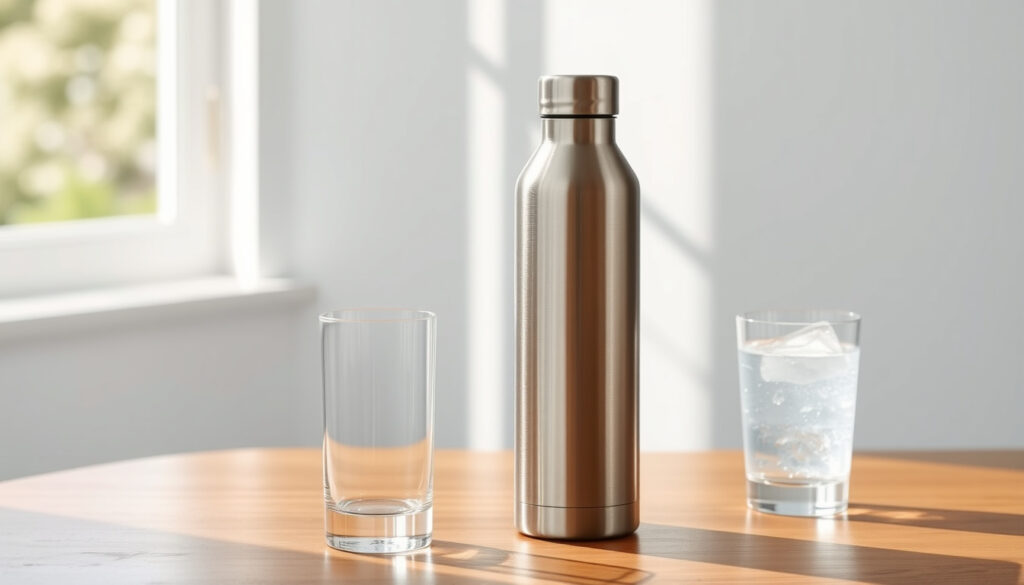
Water Bottles – Best Picks and Buying Guide for 2025
Choosing the right water bottle in 2025 means navigating a market packed with insulated stainless steel, lightweight plastic, and smart-hybrid designs. UK reviewers from The Guardian, BBC Good Food, Good Housekeeping, and Which? have tested dozens of models to help narrow the field. The strongest recurring winners include Owala FreeSip, YETI Rambler, Chilly’s Series 2, Hydro Flask, CamelBak Eddy+, Ion8, and Frank Green.
For many buyers, leakproof performance, temperature retention, and ease of cleaning are the top priorities. But no single bottle fits every lifestyle. A football player needs something different from a commuter, and a parent buying for a child has different concerns than a hiker looking for lightweight gear. This guide breaks down the expert consensus, the key features to compare, and the practical questions most shoppers ask.
The recommendations below draw from the most recent UK review roundups published in 2025 and early 2026, including hands-on testing by consumer organisations and editorial teams.
Which Is the Best Water Bottle Overall?
Reviewers do not agree on a single winner, but two bottles dominate the top spots. The Guardian tested 42 bottles and named the Owala FreeSip its best overall pick, praising the hybrid straw-and-chug lid and leakproof design. BBC Good Food, however, chose the CamelBak Eddy+ insulated bottle as its best overall, citing a strong balance of insulation, usability, and price at around £28.
Best Water Bottles at a Glance
Owala FreeSip
Innovative 2-in-1 lid (straw + wide mouth)
Versatile, leakproof, excellent insulation
Source: The Guardian Best Tested 2025
Ion8 Stainless Steel
Affordable, leakproof, easy clean lid
Great value for money
Source: Guardian budget pick
Yeti Rambler 2L
Extreme durability, double-wall vacuum insulation
Best for long-lasting cold retention
Source: Which? 2026 review
Smiggle Drink Bottles
Bright prints, flip-top straw, lightweight
Fun design, easy for little hands
Source: smiggle.co.uk
Key Insights from Expert Reviews
- Owala FreeSip consistently tops review lists due to its unique lid design that combines a straw and wide mouth opening without needing to touch the mouthpiece.
- Stainless steel insulated bottles outperform plastic in temperature retention but are heavier – ideal for commutes, not for running.
- The most requested size in the UK is 1 litre, balancing capacity and portability.
- Leakproof lids are the #1 priority for buyers, yet many cheaper bottles fail in this area.
- Kids’ bottles from Smiggle prioritise aesthetics over insulation – suitable for short school days only.
- For sports (football), a 500ml squeeze bottle with a flip-top lid is preferred over large insulated bottles.
Quick Facts About Water Bottles
| Fact | Detail |
|---|---|
| Most popular capacity | 1 litre |
| Top-rated brand (2025) | Owala (Guardian winner) |
| Cheapest quality option | Ion8 (~£15) |
| Average cost of a good insulated bottle | £30-50 |
| Plastic bottles account for | 80% of reusable bottle sales in UK (but declining) |
| Insulated bottles can keep water cold up to | 24 hours (reputable brands) |
Other notable winners across UK tests include Chilly’s Series 2 at around £32, Hydro Flask at about £34.95, and Frank Green Ceramic Reusable as a stainless steel alternative with strong design appeal. For sustainability, Ocean Bottle Go was The Guardian’s dedicated pick, while Dopper offers a lightweight, simple option from about £12.95. For more on measurement and capacity, see our guide on How Many Liters in a – Gallons, Cups, Ounces, and More.
What Size Water Bottle Should You Get? (500ml vs 1L vs 2L)
Capacity is one of the most personal decisions when buying a water bottle. The right size depends on how long you are away from a tap, how much weight you want to carry, and what activity you are doing.
Water Bottles 500ml – Is It Enough for a Day Out?
A 500ml bottle is sufficient for short trips, gym sessions, or a child’s lunchbox. It is lightweight and fits most cup holders. Many football and sports players prefer this size because it can be squeezed or tipped back quickly. The trade-off is that you will need to refill more often.
Water Bottles 1 Litre – Best for Office?
The 1 litre size is the most popular in the UK. It holds enough water for a full workday or a long walk without being too bulky. Insulated 1L bottles from brands like Chilly’s and Hydro Flask maintain temperature for hours and fit in standard backpack side pockets.
Water Bottles 2L – Too Heavy for Hiking?
A 2L bottle is ideal for all-day hikes, festivals, or road trips where refill access is limited. However, a full 2L stainless steel bottle can weigh over 1.5 kg, which makes it less suitable for running or commuting. YETI’s Rambler 2L is a popular choice for durability, but it is undeniably heavy. For lightweight hiking, the Hydro Flask Trail Series or a plastic Dopper may be more practical.
For daily office or school use, a 1L insulated bottle with a straw lid (Owala, Ion8) works well. For football or running, choose a lightweight 500ml squeeze bottle with no insulation. For hiking, a 2L durable metal bottle such as YETI or Stanley is ideal, but consider a lighter alternative if you will carry it for hours.
Are Metal Water Bottles Better Than Plastic?
The material debate comes down to temperature retention, weight, durability, and taste. Each option has trade-offs that suit different users.
Stainless Steel vs Aluminium – Which Lasts Longer?
Stainless steel is more durable and resistant to dents and corrosion compared to aluminium. Most premium insulated bottles use double-wall vacuum stainless steel. Aluminium bottles are lighter but often have a lining that can wear over time, potentially affecting taste. For long-term use, stainless steel is the more reliable choice.
Is BPA-Free Plastic Safe?
BPA-free plastic bottles are widely considered safe for daily use. They are lighter and cheaper than metal, and they do not dent. However, plastic can retain odours and stains, and it may degrade if exposed to high heat or left in direct sunlight for extended periods. Many UK reviewers recommend replacing plastic bottles every 1-2 years or when scratches appear.
Which Material Keeps Water Cold Longer?
Double-wall vacuum stainless steel bottles outperform all other materials for cold retention. Brands like Hydro Flask, Chilly’s, and YETI can keep water cold for up to 24 hours. Single-wall metal and plastic bottles offer minimal insulation, with plastic warming up fastest in hot conditions.
Stainless steel: best insulation, heavy, durable. Plastic: light, cheap, less durable. Glass: inert taste, heavy, breakable. Filtered bottles (e.g., LifeStraw Go): add weight and require filter changes but are useful for outdoor travel where water quality is uncertain.
Which Water Bottle Is Best for Kids and Sports?
Children and athletes have specific needs that differ from general everyday use. Leakproof design, ease of cleaning, and appropriate capacity are especially important for these groups.
Water Bottles Football – Features for Athletes
For football and other high-intensity sports, a 500ml squeeze bottle with a flip-top or pull-push lid is standard. Insulation is less important because players drink frequently and bottles are not left sitting for long. Lightweight plastic or aluminium bottles are preferred over heavy stainless steel. Many teams use bottles that are clearly labelled to avoid mix-ups.
Smiggle Water Bottles – Are They Durable?
Smiggle bottles are popular with children due to their colourful prints and playful designs. They are lightweight and have flip-top straw lids that are easy for small hands. However, they are not insulated, and durability can be a concern if dropped repeatedly. The Guardian’s top pick for kids is the YETI Rambler Jr, which is more robust and retains temperature.
Best Leakproof Water Bottle for School
Leak resistance is the number one concern for school bags. The Guardian and Which? both emphasise that many budget bottles fail in this area. The Ion8 range is often praised for its reliable leakproof seal at a low price, while Owala FreeSip and CamelBak Eddy+ also score highly for bag-friendly design.
Many kids’ bottles, including some Smiggle models, are not dishwasher safe. Hand washing with hot soapy water and a bottle brush is recommended. Weekly deep cleaning with vinegar or sterilising tablets prevents mould buildup in straws and lids.
A Brief History of Water Bottles
- 1950s – First plastic water bottles introduced, poster child of convenience.
- 1970s – BPA concerns emerge; aluminium and stainless steel alternatives grow.
- 2000s – Nalgene popularises wide-mouth reusable bottles.
- 2010s – Double-wall vacuum insulation becomes mainstream (Stanley, Yeti, Hydro Flask).
- 2020s – Smart bottles with UV purification appear; Owala disrupts lid design.
- 2025 – Guardian tests 53 bottles; Owala FreeSip declared best overall.
What We Know and What Remains Unclear
| Established Information | Information That Remains Unclear |
|---|---|
| Owala FreeSip is the best-tested water bottle in the UK for 2025 (Guardian). | Whether Owala dominance will continue in 2026 – Which? hasn’t published a direct comparison yet. |
| Insulated bottles keep liquids cold for significantly longer than single-wall or plastic. | Long-term lid wear on flip-top mechanisms – limited third-party durability tests. |
| Stanley and Yeti are durable but heavy. | Environmental impact comparison – manufacturing vs disposal of stainless vs plastic varies by brand. |
How to Choose – A Simple Decision Framework
Based on expert reviews and consumer feedback, the best water bottle depends on your primary use case. For daily office or school, a 1L insulated bottle with a straw lid such as Owala or Ion8 works well. For football or running, a lightweight 500ml squeeze bottle with no insulation is better. For hiking, a 2L durable metal bottle such as YETI or Stanley is ideal, though you may prefer a lighter option for longer treks. Budget-conscious buyers should consider Ion8 or Lululemon. For kids, Smiggle or CamelBak are popular, but check for dishwasher safety. If you are furnishing a small space, you might also find our guide on Narrow Chest of Drawers – Best Picks for Small Spaces in 2025 useful for complementary home organisation.
What Experts and Reviewers Say
“Best water bottle overall: Owala FreeSip. The bottle comes in three sizes: 24oz, 32oz and 40oz.”
— The Guardian (The Filter), 14 Aug 2025 review after testing 53 bottles.
“Our expert water bottle reviews uncover the brands like Owala, Lululemon, Stanley, Yeti and more.”
— Which? (2026 reviews), independent consumer testing.
Good Housekeeping UK named the S’well Stainless Steel Traveler Bottle its best tested bottle, while also recommending Frank Green Ceramic and Stanley Quencher for straw users. BBC Good Food preferred CamelBak Eddy+ insulated, with category winners for road trips, cold drinks, fizz drinks, glass, lightweight carry, and tracking features. OutdoorGearLab and GearJunkie both rank Hydro Flask highly for insulation and build quality.
What’s Next in Water Bottles?
The water bottle market continues to evolve. Increased integration of smart features such as hydration tracking and UV self-cleaning is expected in premium models. More brands are adopting 100% recyclable or plant-based materials to meet eco regulations. Lid standardisation may reduce waste, with bottles becoming modular and interchangeable. Tougher leakproof claims backed by independent certifications such as IPX ratings could become the new norm, giving consumers clearer benchmarks for performance.
Frequently Asked Questions
How often should I replace my water bottle?
Plastic bottles should be replaced every 1-2 years or when scratched; metal bottles can last many years if not dented.
Are glass water bottles better than metal?
Glass is inert (no taste) but heavy and breakable. Metal is more durable but may impart a metallic taste initially.
Can I put hot drinks in an insulated water bottle?
Yes, many stainless steel bottles are designed for hot liquids, but check the lid’s temperature rating.
Why are some water bottles so expensive?
Cost is driven by double-wall vacuum insulation, premium materials (stainless steel), brand markup, and extensive testing.
What is the best way to prevent mold in a water bottle?
Wash daily with hot soapy water, air dry with lid off, and deep clean weekly with vinegar or bottle tablets.
Are Stanley water bottles leakproof?
Stanley bottles are generally reliable, but leakproof performance can vary between models. The Quencher series is designed for straw use, while classic models have screw-top lids.
Which water bottle has the best lid design?
Owala FreeSip’s hybrid straw-and-chug lid is widely praised. CamelBak Eddy+’s bite valve and Frank Green’s push-button straw lid are also top contenders.
How long do insulated water bottles keep water cold?
Reputable brands such as Hydro Flask, YETI, and Chilly’s can keep water cold for up to 24 hours, depending on external temperature and how often the bottle is opened.
Where to buy the cheapest water bottles UK?
Budget options such as Ion8 and Dopper are available on Amazon, Argos, and directly from brand websites. Prices start from around £12.95.
More related posts
 Zoopla Sold House Prices – What You Need to Know
 How to Identify Scabies – Key Symptoms and Treatment Guide
 NARS Light Reflecting Foundation – Shades, Review, Performance Guide
 Kenan Yildiz – Complete Profile, Stats and Family Info 2025
 When Is Ramadan 2025 – UK London Saudi Dates
 Amazon Customer Services Number – Verified UK Phone Lines
 Quickest Way to Lose Weight – Safe Methods Backed by Experts
 David Bradley – Guide to the Harry Potter and Game of Thrones Actor
