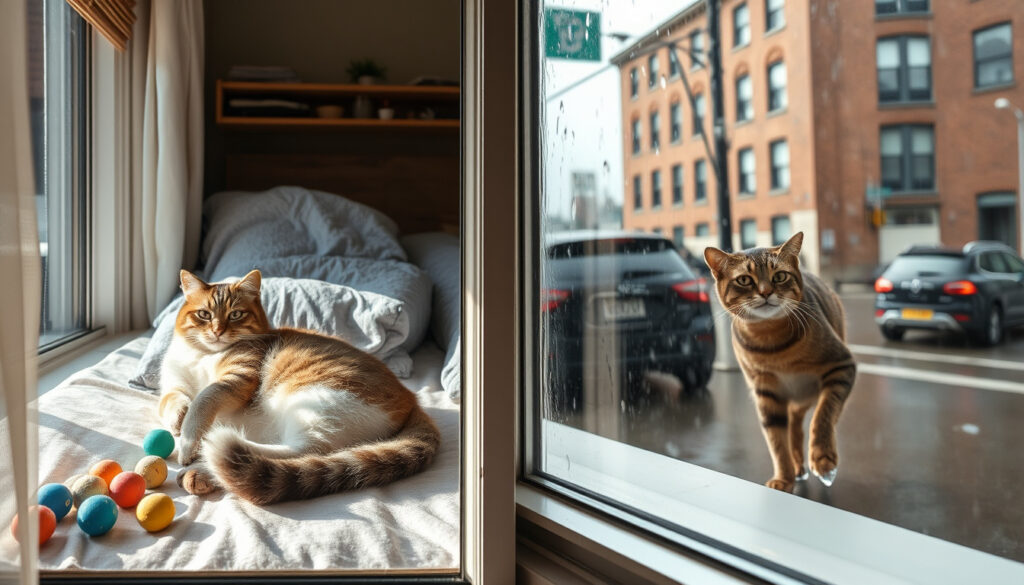
How Long Do Cats Live – Indoor vs Outdoor Lifespans
Cats have long held a special place in households around the world, and understanding their expected lifespan helps owners provide the best care at every life stage. From playful kittens to serene seniors, the journey of a cat’s life spans roughly 12 to 18 years on average, though numerous factors determine where an individual cat falls within that range. Advances in veterinary medicine, improved nutrition, and indoor living have all contributed to cats living longer than ever before.
The question of how long cats live touches on everything from breed predispositions to lifestyle choices. Research from veterinary institutions and animal hospitals consistently shows that environment plays one of the most significant roles in determining feline longevity. Understanding these factors empowers cat owners to make informed decisions that can meaningfully extend their pet’s years.
This guide examines the average lifespan of cats, compares indoor and outdoor living situations, explores the key factors that influence longevity, and provides actionable insights for helping cats live their fullest lives.
How Long Do Cats Live on Average?
The average lifespan of domestic cats ranges from 12 to 18 years, according to veterinary sources and animal welfare organizations. This figure represents cats kept as indoor pets, where they benefit from consistent nutrition, regular veterinary care, and protection from environmental hazards. Some cats surpass these expectations considerably, with well-cared-for indoor cats routinely reaching 17 years or older.
These figures represent broad averages across many cats. Individual lifespans depend heavily on breed, genetics, diet, medical history, and most importantly, whether a cat lives primarily indoors or outdoors. Studies from the University of California-Davis and various veterinary hospitals have documented the substantial gap between indoor and outdoor cat longevity.
Key Facts About Cat Lifespan
- Neutered cats tend to live longer than unneutered counterparts due to reduced roaming behavior and lower risk of certain diseases
- Diet accounts for approximately 30% of the impact on feline longevity according to veterinary nutritionists
- Breed significantly influences lifespan, with mixed-breed cats averaging 14 years compared to 12.5 years for purebreds
- Regular veterinary checkups become increasingly important after age 10
- Some breeds, including Siamese and Bombay cats, frequently reach 20 years or more
- Indoor cats face different health challenges, primarily obesity and related conditions, rather than trauma-related risks
| Category | Average Lifespan |
|---|---|
| Indoor Cats | 10-17 years |
| Indoor Cats (optimal care) | Up to 20+ years |
| Outdoor Access Cats | 4-7 years |
| Strictly Outdoor Cats | 2-5 years |
| Feral Cats | Under 5 years |
| Mixed-Breed Cats | Around 14 years |
| Purebred Cats | Around 12.5 years |
| Long-lived Breeds | 15-20 years |
How Long Do Indoor Cats Live Compared to Outdoor Cats?
The difference between indoor and outdoor cat lifespans represents one of the most significant disparities in companion animal longevity. Indoor cats typically live 10 to 17 years, with many reaching their late teens or early twenties under optimal conditions. Outdoor cats, by contrast, average only 2 to 5 years, according to multiple veterinary sources and animal hospitals. This gap reflects the fundamental difference in risk exposure between these two lifestyles.
Why Indoor Cats Live Longer
Indoor cats benefit from a controlled environment that eliminates or dramatically reduces exposure to numerous hazards. According to veterinary hospitals and animal welfare organizations, indoor cats avoid encounters with predators such as coyotes, foxes, and large birds of prey. They are not at risk from vehicle collisions, which claim the lives of countless outdoor-access cats each year. Infectious diseases transmitted through contact with other animals, parasites, and environmental toxins also pose far less threat to indoor-only cats.
Beyond physical safety, indoor cats typically receive nutritionally complete diets formulated for their life stage and health needs. Their weight and activity levels can be monitored and managed, preventing obesity-related conditions that shorten lives. Regular veterinary visits catch age-related issues early, when intervention is most effective. According to veterinary care guidelines from the ASPCA, senior cats aged 10 and older benefit particularly from twice-yearly examinations that track changes in organ function, mobility, and cognition.
Risks Faced by Outdoor Cats
Outdoor cats navigate a landscape filled with dangers that accumulate over time. Trauma from vehicle strikes ranks among the leading causes of death for outdoor-access cats. Fights with other cats expose outdoor cats to serious infections, including feline immunodeficiency virus and feline leukemia virus. Exposure to extreme weather, toxic substances including antifreeze and rat poison, and disease-carrying parasites further shorten their lives.
Skin cancer from sun exposure affects outdoor cats, particularly those with light-colored fur. Encounters with wild animals result in injuries that may prove fatal even when initially survivable. According to animal hospital sources, the cumulative effect of these risks creates a survival environment fundamentally different from the protected indoor setting.
Gradually transitioning outdoor cats to indoor living can extend their lives significantly. Experts recommend starting by bringing food indoors, then limiting outdoor access to supervised periods, and eventually eliminating unsupervised outdoor time. This approach reduces stress during the adjustment while capturing the longevity benefits of indoor living.
Feral and Stray Cats
Feral cats, which have lived their entire lives without human socialization, face the shortest lifespans of all—typically under five years. These cats lack access to regular food sources, veterinary care, and shelter from weather extremes. Their avoidance of humans prevents them from receiving the benefits of human care even when food is provided in accessible locations.
Stray cats, which were previously domesticated but have become lost or abandoned, adapt somewhat better to human care than truly feral cats. According to animal welfare organizations, strays can often be gradually socialized for indoor placement, while ferals typically require trap-neuter-return programs that manage their populations without attempting full domestication.
What Factors Affect a Cat’s Lifespan?
Multiple interconnected factors determine how long an individual cat will live. Understanding these factors helps owners prioritize the elements most within their control while acknowledging the role of genetics and breed predisposition.
Lifestyle and Environment
Lifestyle represents the single most influential factor in feline longevity. Whether a cat lives primarily indoors or outdoors shapes nearly every other aspect of its health trajectory. Indoor cats experience fewer acute injuries, lower disease exposure, and more consistent nutrition. Their environment can be optimized for safety, with toxic plants removed, appropriate climbing structures provided, and potential hazards eliminated.
The indoor environment does present its own health challenges that require attention. Obesity develops when cats consume more calories than they burn, a common issue when indoor spaces limit natural hunting and exploration behaviors. Diabetes, joint problems, and cardiovascular strain all increase with excess weight. Addressing these risks through portion control, interactive play, and environmental enrichment helps indoor cats maintain healthy weights and active lifestyles. The American Animal Hospital Association’s feline life stage guidelines provide detailed recommendations for maintaining optimal health across different life stages.
Breed and Genetics
Breed influences lifespan through genetic predispositions to certain health conditions. Mixed-breed cats generally outlive purebreds, averaging around 14 years compared to 12.5 years. This advantage stems from genetic diversity that reduces the incidence of inherited diseases common in certain breeds.
Some breeds demonstrate exceptional longevity. Siamese cats frequently reach 20 years or beyond. Bombay, Savannah, and Burmese breeds also show extended lifespans in many cases. Conversely, Abyssinians and Bengals average closer to 10 years, according to veterinary sources. These differences reflect breed-specific health issues rather than any inherent quality of the breeds themselves. The Cornell Feline Health Center maintains detailed information on breed-specific health concerns that can help owners understand particular risks for their cats.
While breed provides general guidance, individual cats may live significantly shorter or longer than breed averages due to specific genetics, care quality, and environmental factors. Regular veterinary screening helps identify breed-specific health risks early.
Diet and Nutrition
Nutrition accounts for approximately 30 percent of the impact on feline longevity, according to veterinary nutritionists. Indoor cats typically receive commercially prepared food formulated to meet their complete nutritional requirements. This consistency supports healthy organ function, coat quality, immune system strength, and appropriate weight management.
Outdoor cats face a different nutritional reality. Their diet depends on hunting success and any supplemental feeding by humans, resulting in variable caloric intake and potential nutritional deficiencies. Indoor cats benefit from measured portions tailored to their size, age, and activity level, reducing both underfeeding and overfeeding risks. The American Veterinary Medical Association offers comprehensive guidance on pet nutrition that applies to feline dietary planning.
Veterinary Care and Preventive Medicine
Regular veterinary care extends cat lifespans by enabling early detection and treatment of age-related conditions. Senior cats, generally those over 10 years old, benefit most from twice-yearly examinations rather than annual visits alone. These checkups monitor kidney function, thyroid activity, blood pressure, weight trends, and mobility.
Preventive care including vaccinations, parasite control, and dental maintenance prevents conditions that would otherwise shorten lives. Dental disease, if left untreated, leads to systemic infections affecting heart, kidney, and liver function. Regular teeth cleaning and prompt treatment of oral issues protect overall health beyond the mouth.
Spaying and Neutering
Spayed and neutered cats typically live longer than unaltered cats. The surgical procedures eliminate risks associated with reproductive cancers and infections. Behavioral changes following spaying or neutering also reduce roaming behavior, keeping cats closer to home and away from outdoor hazards.
What Is the Maximum Lifespan of Cats?
While averages provide useful guidance, some cats dramatically exceed typical lifespans. The maximum documented cat lifespan reaches into the late 30s, with exceptional cases approaching 40 years. These extreme outliers represent the upper boundary of what genetics, care quality, and environmental factors can achieve.
Longest-Lived Cats
Indoor cats receiving optimal care routinely reach 20 years or beyond. Many cats in their late teens or early twenties maintain good quality of life with appropriate support. Veterinary hospitals and animal welfare organizations regularly document cases of indoor cats celebrating their 20th, 21st, and even 25th birthdays.
These longest-lived cats typically share certain characteristics: indoor-only lifestyle, consistent veterinary care throughout life, high-quality nutrition appropriate for their life stage, healthy weight maintenance, and prompt attention to any health concerns. Genetic factors also play a role that cannot be controlled, but environmental optimization maximizes the potential for extended life regardless of inherited tendencies.
Lifespan Variations by Breed
Breed-specific lifespan data reveals meaningful variation within the feline population. Long-lived breeds include the Siamese, known for reaching 20 years or more with some frequency. The Bombay, Savannah, and Burmese breeds also demonstrate extended lifespans in many individuals. These breeds lack the genetic predispositions to serious health conditions that limit life expectancy in other breeds.
Shorter average lifespans appear in certain purebred lines where inbreeding has concentrated genetic disease risks. Abyssinian and Bengal cats, for example, average around 10 years according to veterinary data. Mixed-breed cats benefit from hybrid vigor that typically extends their lives compared to purebred counterparts.
Gender Differences
Research on gender differences in cat lifespan produces inconsistent results. Some studies suggest female cats live slightly longer on average, potentially due to reduced roaming behavior and fewer territorial fights. Other research finds minimal gender-based differences when other factors remain equal.
For individual cats, gender matters less than lifestyle choices, breed health, and care quality. Spayed and neutered cats of either gender can achieve exceptional lifespans when their environmental and nutritional needs are met consistently throughout life.
Life Stages of Cats: A Timeline
Understanding the typical life stages helps owners anticipate changing needs as cats age. Each stage brings different nutritional requirements, exercise needs, and potential health concerns.
- Kitten (Birth to 1 year): Rapid physical growth and development, socialization window, training period for litter box habits and scratching behavior. Kittens require high-calorie food formulated for growth and frequent feeding schedules.
- Junior (1 to 2 years): Continued maturation toward adult size and behavior, establishment of permanent habits, energy levels typically at their highest. Transition from kitten to adult food occurs during this period.
- Adult (3 to 6 years): Prime physical condition, stable weight management, regular preventive veterinary care. Most adult cats maintain consistent nutritional needs during these years.
- Mature (7 to 10 years): Gradual slowing, possible weight management challenges, beginning of age-related monitoring. Veterinary visits may increase to track organ function and detect early changes.
- Senior (11 to 14 years): Increased veterinary attention recommended, possible dietary adjustments for kidney support or weight management, monitoring for cognitive changes. Many cats develop conditions requiring medical management during this stage.
- Geriatric (15 years and older): Intensive care needs for many cats, specialized nutrition for elderly cats, accommodations for mobility challenges, quality of life assessment becoming central to care decisions.
Cats over 10 years old benefit from veterinary examinations every six months rather than annually. Early detection of kidney disease, hyperthyroidism, and other common senior conditions significantly improves treatment outcomes and may extend quality life years. The International Cat Care organization provides detailed guidance on caring for senior and geriatric cats, including recommended monitoring schedules and warning signs to watch for.
What We Know and What Remains Uncertain
Cat longevity research has established certain facts with high confidence while leaving other questions open for further investigation.
Well-Established Information
- Indoor cats consistently live longer than outdoor cats, with studies from veterinary institutions confirming lifespan differences of five years or more between these groups
- Regular veterinary care correlates with extended lifespan through early disease detection and treatment
- Nutrition quality significantly impacts longevity, with complete and balanced diets supporting longer lives than variable or incomplete feeding
- Spaying and neutering reduces certain health risks and roaming behavior that endangers outdoor cats
- Breed influences average lifespan through genetic predispositions to inherited conditions
Information That Remains Uncertain
- The precise impact of gender on feline longevity remains unclear, with studies producing inconsistent results depending on sample populations and controlling factors
- Specific breed extreme longevity claims lack comprehensive documentation, with data often based on owner reports rather than verified records
- Optimal dietary supplements for extending feline lifespan have not been definitively established through controlled studies
- The welfare implications of exclusively indoor living versus outdoor access continue to be debated among feline behavior specialists
- Genetic testing’s role in predicting individual cat lifespan requires further research to establish meaningful correlations
The Broader Context of Feline Longevity
Cat lifespan has increased substantially over the past several decades. Improved veterinary medicine, better understanding of feline nutrition, and the cultural shift toward indoor-only cat keeping have all contributed to cats living considerably longer than they did in previous generations. What once seemed like a remarkable 15-year cat life is now considered merely average for an indoor cat.
This demographic shift brings both benefits and challenges. Cats form deep bonds with their human families, and extended lifespans allow these relationships to deepen over more years. However, caring for geriatric cats presents challenges that did not exist when cats simply did not live long enough to develop many age-related conditions. Modern veterinary medicine has evolved to meet these needs, with geriatric cat care becoming an increasingly important specialty within feline practice.
The remarkable extension of cat lifespans reflects how much we have learned about feline needs and how effectively we have applied that knowledge. Indoor cats today enjoy lifespans that would have seemed extraordinary just a few generations ago.
The contrast between indoor and outdoor cat lifespans also reflects broader societal choices about animal welfare. Organizations including the ASPCA and British Veterinary Association increasingly recommend indoor living as the standard of care for pet cats, citing longevity data as a compelling reason for this recommendation. Trap-neuter-return programs for feral cats work to reduce populations while acknowledging that these cats face inherently shortened lives compared to their protected indoor counterparts.
Summary and Key Takeaways
The average domestic cat lives between 12 and 18 years, with indoor cats reaching 10 to 17 years or more while outdoor cats face average lifespans of just 2 to 5 years. This dramatic difference reflects the protective benefits of indoor living, including consistent nutrition, veterinary care, and elimination of trauma risks from vehicles, predators, and disease exposure.
Factors within an owner’s control—nutrition, veterinary care, weight management, and maintaining an indoor lifestyle—offer the most powerful tools for extending feline lifespan. Breed and genetics set baseline expectations, but even cats with shorter breed averages can achieve exceptional lives through optimal care.
For those interested in broader wellness topics for pets, understanding How to Improve VO2 Max can provide insights into cardiovascular fitness that apply across species. Similarly, examining Can Dogs Eat Pears highlights the importance of species-appropriate nutrition that applies equally to feline diet decisions.
Frequently Asked Questions
What is the average age of cats?
The average age of indoor cats ranges from 12 to 18 years, with many cats living well into their late teens or early twenties with proper care.
Do male cats live longer than female cats?
Research on gender differences in cat lifespan shows inconsistent results. Some studies suggest slight female advantages, while others find no significant difference when other factors are equal.
How long do stray cats live?
Stray cats, which were previously domesticated, typically live shorter lives than indoor pets but longer than truly feral cats. Their fate depends heavily on whether they receive human care and intervention.
What is the oldest recorded cat age?
Documented cat lifespans extend into the late 30s, with exceptional cases approaching 40 years. Such extreme longevity remains rare but demonstrates the upper potential of feline lifespan.
How can I help my cat live longer?
Keeping your cat indoors, providing balanced nutrition, maintaining healthy weight, scheduling regular veterinary checkups, and promptly addressing health concerns all contribute to extended lifespan.
Which cat breeds live the longest?
Siamese, Bombay, and Savannah breeds frequently reach 20 years or more. Mixed-breed cats also demonstrate extended lifespans due to genetic diversity reducing inherited disease risks.
Do indoor cats need enrichment?
Indoor cats benefit significantly from environmental enrichment including climbing structures, interactive toys, puzzle feeders, and regular play sessions that simulate hunting behaviors and maintain healthy activity levels.
How often should senior cats see a veterinarian?
Cats over 10 years old benefit from veterinary examinations every six months rather than annually, allowing early detection of age-related conditions that respond better to early intervention.
More related posts
 The Summer I Turned Pretty Season 2 – Where to Watch, Episodes and Cast
 Blood Clot in Leg Picture – Key Vi ual Sign & Symptom
 Flat Iron Kings Cross – Menu, Booking, Directions Guide
 Dinner Ideas for Family – Quick Healthy Meals on a Budget
 Sam Fender Tour 2025 – Dates, Venues and Ticket Guide
 Cast of Asteroid City – Full Actors and Roles Guide
 Rick Moranis – Biography, Net Worth, and Why He Left Acting
 Elf on the Shelf Ideas – 90+ Funny, Easy Scenes for 2025
