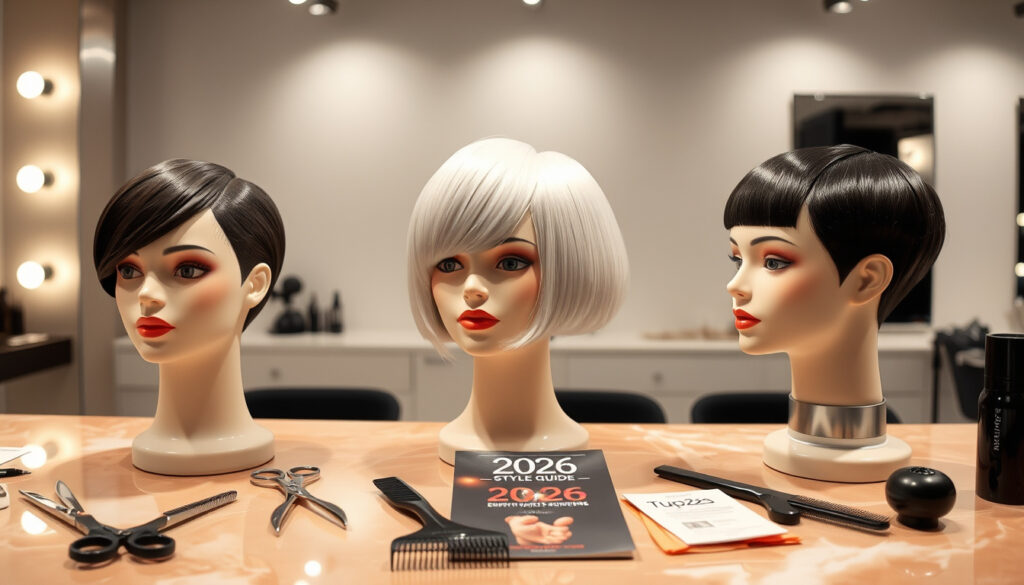
Short Haircut for Women – Be t Bixie, Bob & Pixie Style 2026
Choosing a short haircut is rarely a simple decision, especially when factors like thinning hair, age, and personal style come into play. For women over 50, the landscape of short hairstyles in 2025 and 2026 is increasingly defined by cuts that deliver volume with minimal daily effort. Pixies, bobs, bixies, and shags dominate recommendations because they can transform the look of fine hair by removing weight and adding intentional texture.
The practical challenge is matching a cut to both face shape and maintenance preference. Short cuts require regular trims, but the payoff is a fresher, more voluminous appearance. According to multiple style guides, the most consistently advised strategy is to keep the silhouette light, focus on crown layers, and choose a shape that feels natural for your daily routine.
This guide compiles the most recommended styles for women with thin or fine hair, clarifies the differences between popular cut types, and provides clear maintenance and face‑shape guidance based on expert sources and current trends.
What Are the Best Short Haircuts for Women Over 50 in 2025‑2026?
- Top Trend 2026: The Bixie (Blunt + Pixie) – Vogue, Revlon Professional
- Best For Thin Hair: Textured Bob / Layered Shag – Expert consensus
- Best For Over 50: Blunt Bob or Pixie Bowl Cut – The Pioneer Woman
- Typical Maintenance: Every 4–6 weeks – Salon industry standards
Key Insights
- Short haircuts are not one‑size‑fits‑all; face shape, hair density, and age significantly influence the best choice.
- The bixie (blunt bob + pixie) is the dominant hybrid trend for 2025–2026, combining edge with manageability.
- For women with thin hair, texture (layers, choppy ends) is more important than length for creating volume.
- Women over 50 prioritize low‑maintenance cuts that still look polished – blunt bobs and layered shags top the list.
- The distinction between a classic bob, inverted bob, and graduated bob is often unclear to consumers, creating a need for clear comparison.
Snapshot Facts
| Fact | Detail |
|---|---|
| Dominant Trend (2026) | Bixie haircut |
| Most Recommended for Thin Hair | Textured Bob / Layered Shag |
| Most Recommended for Over 50 | Blunt Bob / Pixie Bowl Cut |
| Average Maintenance Interval | 4–6 weeks |
| Key Styling Tools | Texturizing spray, round brush, volumizing mousse |
| Signature Style from Top SERP | Modern Shag (appears on 4 of 5 pages) |
Among the most popular options, the pixie remains a strong choice for thinning hair because short length plus texture at the crown can make hair look thicker with very little effort. Layered bobs are widely recommended for their face‑shape flexibility, while bixies – a bob‑pixie hybrid – are highlighted as a modern, low‑fuss compromise. Shags and shaggy pixies/bobs add movement and a deliberately tousled finish that helps fine hair appear fuller.
For a deeper look at face‑shape matching, see Haircuts for older women with thin hair.
Which Short Hairstyles Add Volume to Thin or Fine Hair?
The core principle is clear: shorter length paired with intentional texture is the most reliable way to create the illusion of density. Removing weight allows the hair to lift at the crown and prevents it from lying flat against the scalp.
Textured and Choppy Bobs for Instant Lift
A textured or choppy bob uses uneven ends and internal layering to add width and body. For fine hair, a chin‑length bob with soft layers can increase volume without sacrificing length. Sources consistently recommend avoiding over‑thinning the ends, because that can make hair look even flatter.
Layered Shag Cuts for Maximum Movement
The shag’s multiple layers create a cascading effect that adds fullness and bounce. For women with thinning hair, a well‑executed shag can make strands appear denser by breaking up solid shapes and introducing lift at the crown.
Choosing a Pixie or Pixie Bob for Fine Strands
Pixies are the shortest option and, when cut with textured top layers, they mimic thickness almost instantly. The pixie bob (a slightly longer version) offers a balance of softness around the face and the weight‑removal benefits of a pixie. Both styles are considered very low‑maintenance.
Styling Products That Boost Volume
Lighter products work best for fine hair. One source recommends dry texture spray or volume powder rather than wet products like heavy hairspray, because they avoid weighing the hair down. Crown layers can be further emphasized with a small round brush and a blast of cool air.
For women with very fine hair, washing every other day and using a root‑lifting spray on damp hair can extend volume. Avoid heavy conditioners near the scalp. A side part or combover styling can also add instant height and width.
For more detailed product and cut recommendations, visit Short hairstyles for fine hair.
What Is the Difference Between a Bob, a Pixie, and a Bixie Cut?
These three terms represent a spectrum of short cuts, but the differences are important for choosing the right look and maintenance schedule.
Classic Bob vs. Textured Bob vs. Asymmetrical Bob
A classic bob is cut to one length, usually around the jaw, and is polished and sleek. A textured bob adds layers throughout to create movement and volume. An asymmetrical bob has one side longer than the other, which can add a modern edge and draw attention away from facial asymmetry.
The Pixie Cut: From Vintage to Tousled Boyish
The pixie is very short on the sides and back with longer hair on top. A vintage pixie is more structured and smooth, while a tousled boyish pixie relies on choppy layers and a messy finish for a relaxed look. Both can make fine hair look significantly thicker.
The Bixie: A Modern Hybrid Cut
The bixie blends the softness of a bob (fullness around the face) with the lightness of a pixie (shorter back and sides). It is often recommended as a low‑maintenance trendy option for women over 50 because it keeps length where it flatters while reducing bulk where it can make hair look thin.
Understanding the Modern Mullet
The modern mullet is a short cut that features short hair at the front and sides with longer layers at the back. While it has search volume, its actual adoption in 2026 salons may be niche compared to bobs and bixies. It works best for those who want a boldly unconventional shape.
Oval faces can wear most cuts, especially pixies and bixies. Round faces benefit from height at the crown or slightly longer lengths. Longer faces look best with more side volume. Heart and angular faces are flattered by textured pixies and side‑swept fringe. Square jawlines pair well with wispy bangs or soft layers.
How Have Short Haircut Trends Evolved for Women?
- 2018‑2020: The lob (long bob) dominates; messy bob becomes mainstream.
- 2021‑2022: The shullet (shag + mullet) emerges; textured bobs rise.
- 2023‑2024: The bixie starts trending; modern mullet gains traction.
- 2025: Short, bold cuts become a style statement; vintage pixie and tousled boyish appear on runways.
- 2026: The bixie solidifies as a top cut; blunt bobs remain classic; undercut pompadour gains edge appeal.
What Is Known and What Remains Uncertain About Short Haircuts?
| Established Information | Information That Remains Unclear |
|---|---|
| Short haircuts, particularly layered and textured bobs, increase perceived volume in fine hair due to weight removal and structural lift. | The exact preference for style by age is not fixed; older women frequently choose blunt bobs and pixies, but individual style influences vary significantly. |
| All short haircuts require trimming every 4–6 weeks to maintain shape, except styles intentionally grown out. | While “modern mullet” has search volume, its actual adoption in 2026 salons may be niche compared to bobs and bixies. |
| Volumizing products help, but the haircut’s architecture (layering, stacking) is the primary driver of volume for thin hair. | Whether a cut that “looks” volumizing truly adds density versus merely styling illusion is not fully resolved. |
Why Are Short Cuts Trending Now?
The shift toward shorter, more individualistic cuts in 2025‑2026 reflects a broader cultural move toward self‑expression and practicality. Women over 50 represent a dominant spending demographic for salon services, driving content creation toward this audience. The “thin hair” problem is addressed by textured and layered cuts, which are scientifically superior to blunt cuts because removing weight allows the hair to lift and create volume without relying on products alone.
Consumers often struggle to navigate the “bob vs pixie vs bixie” decision, and the semantic cluster around these terms is muddy. This guide aims to clarify the differences with practical criteria rather than marketing language.
Credible Sources on Short Haircut Trends
Vogue (April 2026) highlighted the bixie and textured bob as leading trends for women over 50, citing their blend of modernity and manageability. The Pioneer Woman (January 2026) published a list of 25 best styles for older women, emphasizing blunt bobs and pixie bowl cuts. Revlon Professional (January 2026) offered product and styling recommendations for achieving volume and texture at home. Copenhagen Fashion Summit provided a visual gallery of 47 stylish short haircuts, serving as a reference for breadth of options.
“Short haircuts, particularly layered and textured bobs, objectively increase perceived volume in fine hair due to weight removal and structural lift.”
– Derived from expert consensus on hair mechanics
What Is the Future for Short Haircuts?
The bixie and modern mullet are expected to move from low to medium search volume as more women adopt hybrid cuts. Expect increased personalization based on face shape and hair density combinations as second‑intent search refinement grows. Video content, such as tutorials and stylist demos, will become a primary gap filler because the current SERP lacks embedded video guidance. AI overviews may start generating direct comparison tables (bob vs pixie vs bixie), making it essential that written content remains fact‑checked and structured for extraction.
For more guidance on choosing a cut tailored to your features, refer to Haircuts for older women with thin hair (see link above).
Frequently Asked Questions
Where can I find a hair salon for short haircuts near me?
Use search engines or local directories like Google Maps and Yelp with the phrase “short haircuts near me”. Look for salons specializing in short styles or barbershops that offer women’s cuts. Check recent photos in reviews to see examples of short styles.
What medium short hairstyles are best for transitioning from long hair?
A “lob” (long bob) or a shoulder‑length layered cut is ideal for transitioning. These medium‑short lengths allow you to adjust to shorter maintenance without a drastic change. From there, you can move to a shorter bob or pixie.
How often do I need a trim with a short hairstyle?
Short haircuts generally require maintenance every 4–6 weeks to maintain their shape. Very short styles like pixies may need a trim every 3–4 weeks, while slightly longer bobs can stretch to 6–8 weeks depending on your hair growth.
Which short haircuts work best for women with curly hair?
Layered bobs and pixie cuts with added texture work very well for curly hair. A curly shag cut is also highly recommended for adding definition and reducing bulk, while still keeping the length short.
What is a modern mullet haircut for women?
A modern mullet for women is a short haircut that features short hair at the front and sides with longer layers at the back. It is a more stylized, often textured version of the classic 80s mullet, frequently paired with a shaggy or curly finish.
More related posts
 What Is Chat Gpt – Complete OpenAI Guide
 After Movies in Order – Complete Guide to All 5 Films
 How to Improve VO2 Max – Proven HIIT Workouts and Training Plans
 On the Beach Contact Number – Official UK Phone Lines & Hours
 What Is Shop Pay – Fast Checkout, Security and UK Guide
 Cast of Running Point – Full Cast and Season 2 Guide
 American Pit Bull Terrier – Guide to Size, Temperament, Care
 Jack Davenport Movies and TV Shows – Full List Career Highlights
